
The agent platform built for all your operations
Show Akai your workflow once. It logs into your portals, pulls data, and runs every step—even without a public API. You stay in control and it adapts when systems change, no IT required. It’s your team, supercharged.
Real workflows. Real results.
hours saved to date across teams
cases handled automatically per month
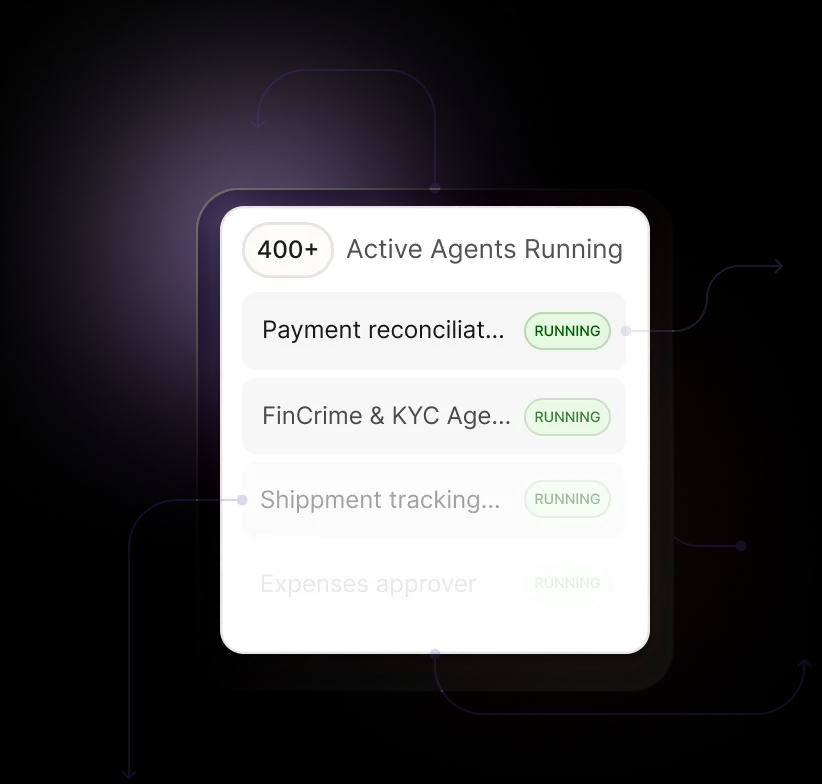
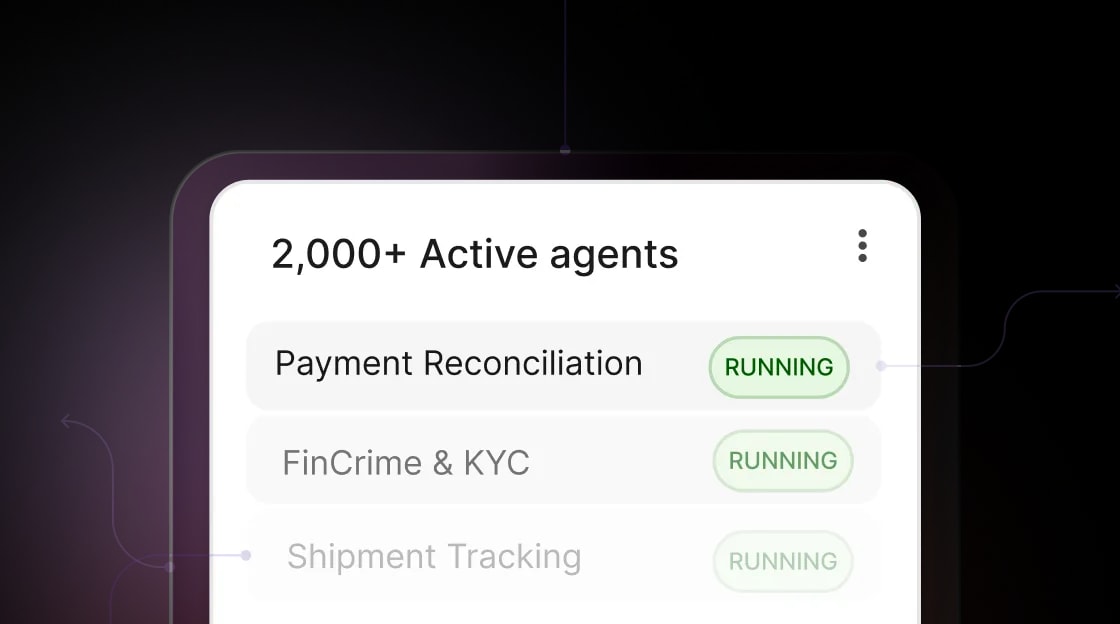
live agents across finance, payments and regulatory ops
A new operating standard
Scale without adding headcount.
Describe the work—Akai maps out the workflows and builds them for you. Handle more volume, more complexity, more markets.

HOW AKAI WORKS
Walk through it once. Watch it grow.
Step 1
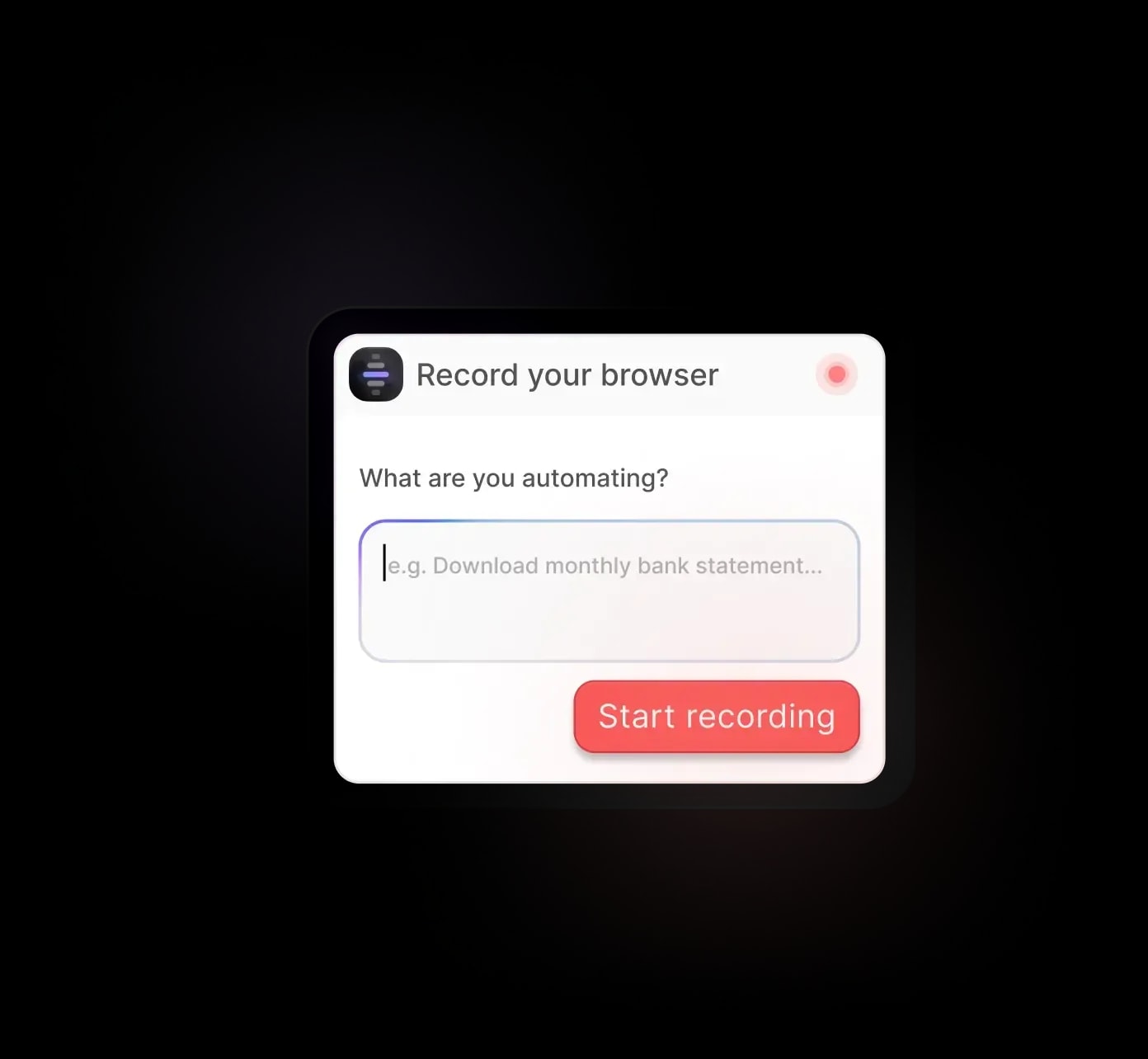
Show Akai a workflow
Walk through it once, or describe it in plain language, written or spoken. Akai captures what you do and the server calls running behind it.
- Captures network traffic, UI clicks, and audio context simultaneously
- Maps the full workflow structure, sequence, and decision points
- Identifies every system touched and the optimal way to connect to each one
Step 2
Review & approve
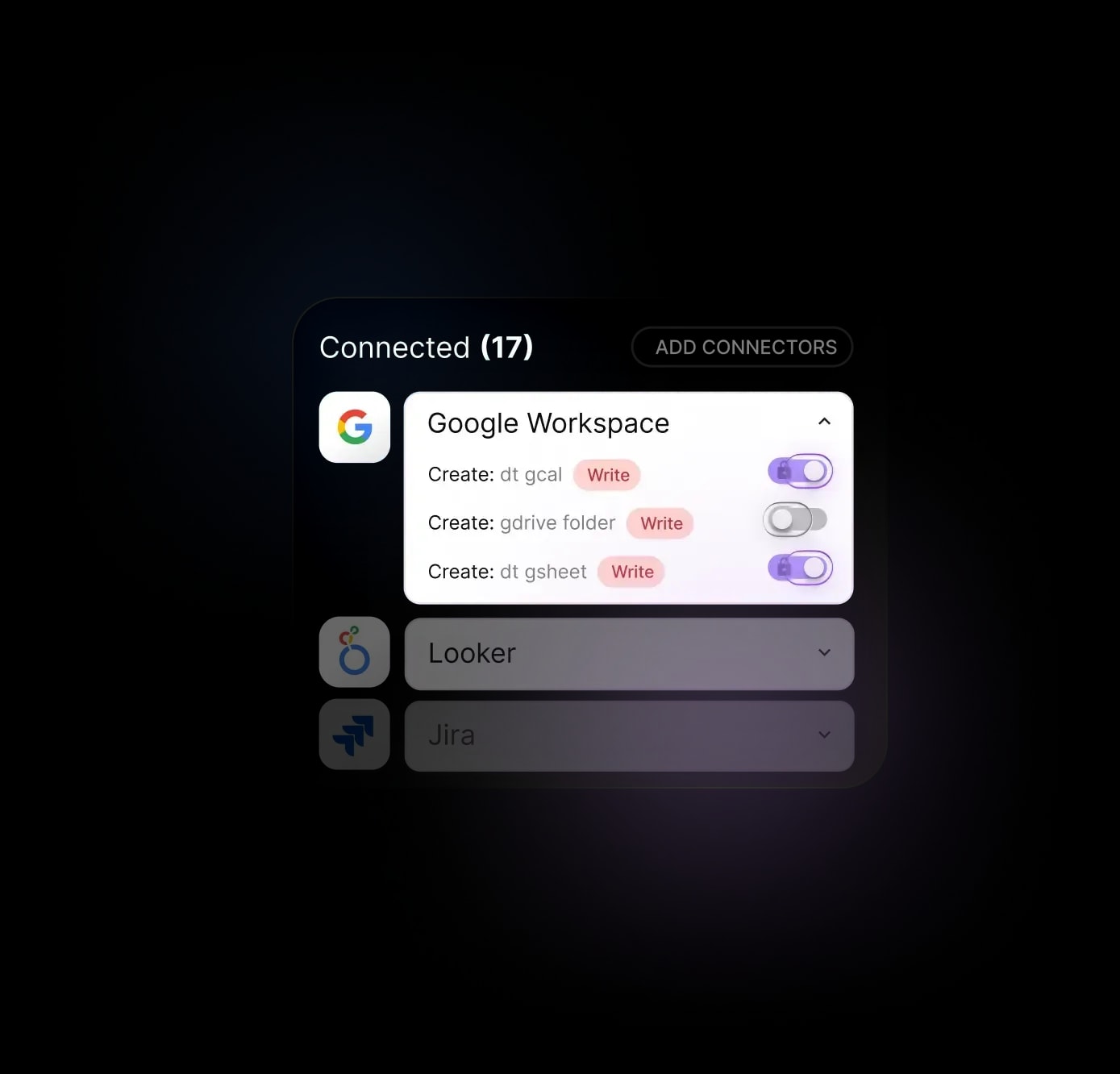
Akai builds the connectors and creates the workflow. You review, make changes, and decide how much control to apply.
- Assesses each system to pick the optimal connection path (formal API, unofficial API, or browser), then builds or reuses the connectors automatically, no integration project, no developers needed
- Adds rules, guardrails, human-in-the-loop measures, and permissions from your recording, including spoken instructions
- Runs your workflow through its built-in risk assessment framework, flagging and implementing additional AI governance and compliance measures by risk level
Step 3
Run it & watch it improve
Once approved, it runs automatically, on schedule, at any volume. No manual trigger, no daily logins. It is your team, supercharged.
- Deploys as many agents as the work demands, sharing context and handing off seamlessly
- Adapts when portals change, calling the server directly instead of just replaying the screen
- Gets cheaper and faster to run over time by finding cached shortcuts, direct system routes, and lighter models for simple steps

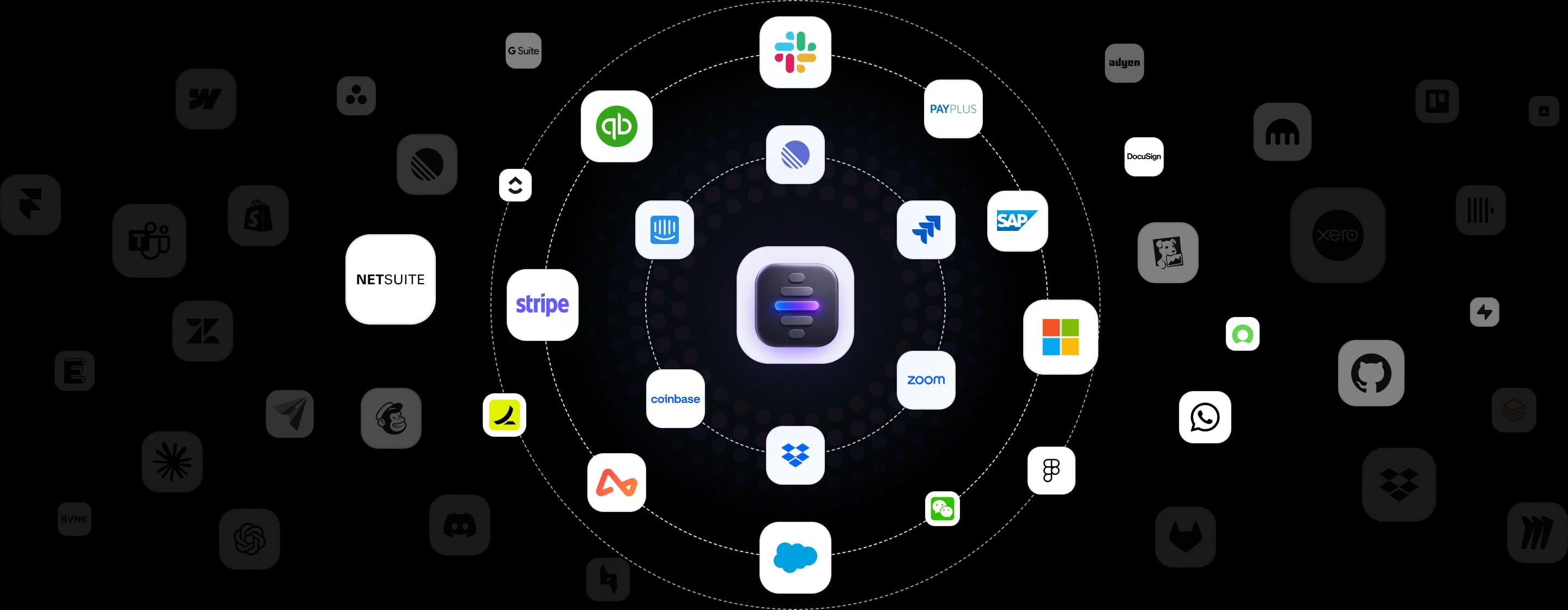
Connect with every system
Akai builds the integrations for you in seconds—no IT, no engineering, no API needed.
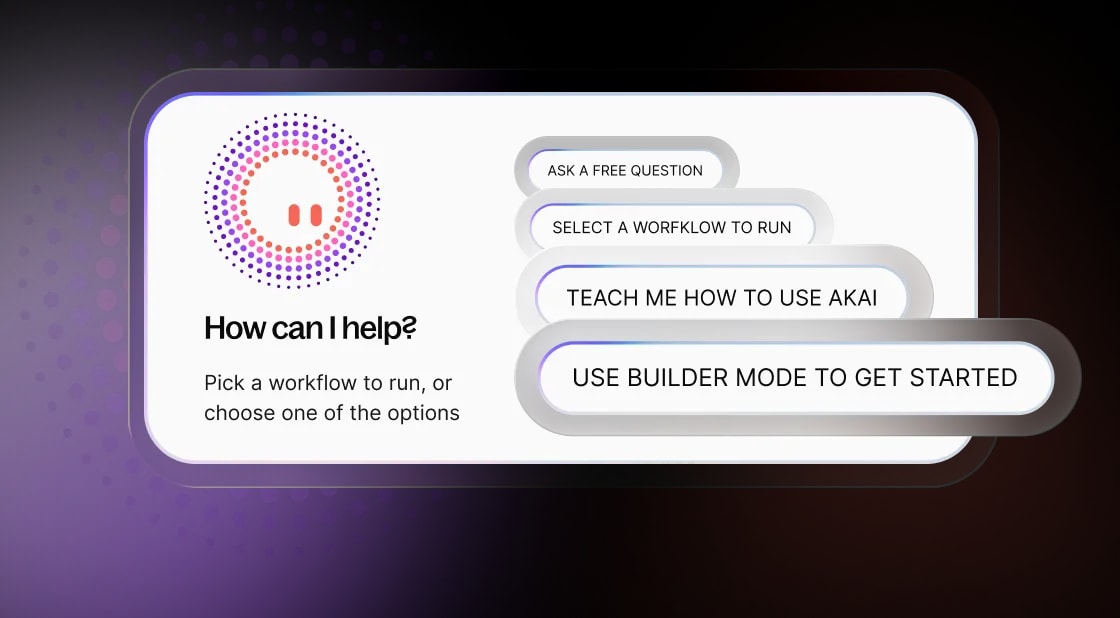
Akai is different where it counts.
Ops-built. Team-powered.
The people who know the work build and own the automations directly. No developers, IT queues, or gatekeepers. One person builds a workflow and your entire team can run it—with their own credentials, on any system.
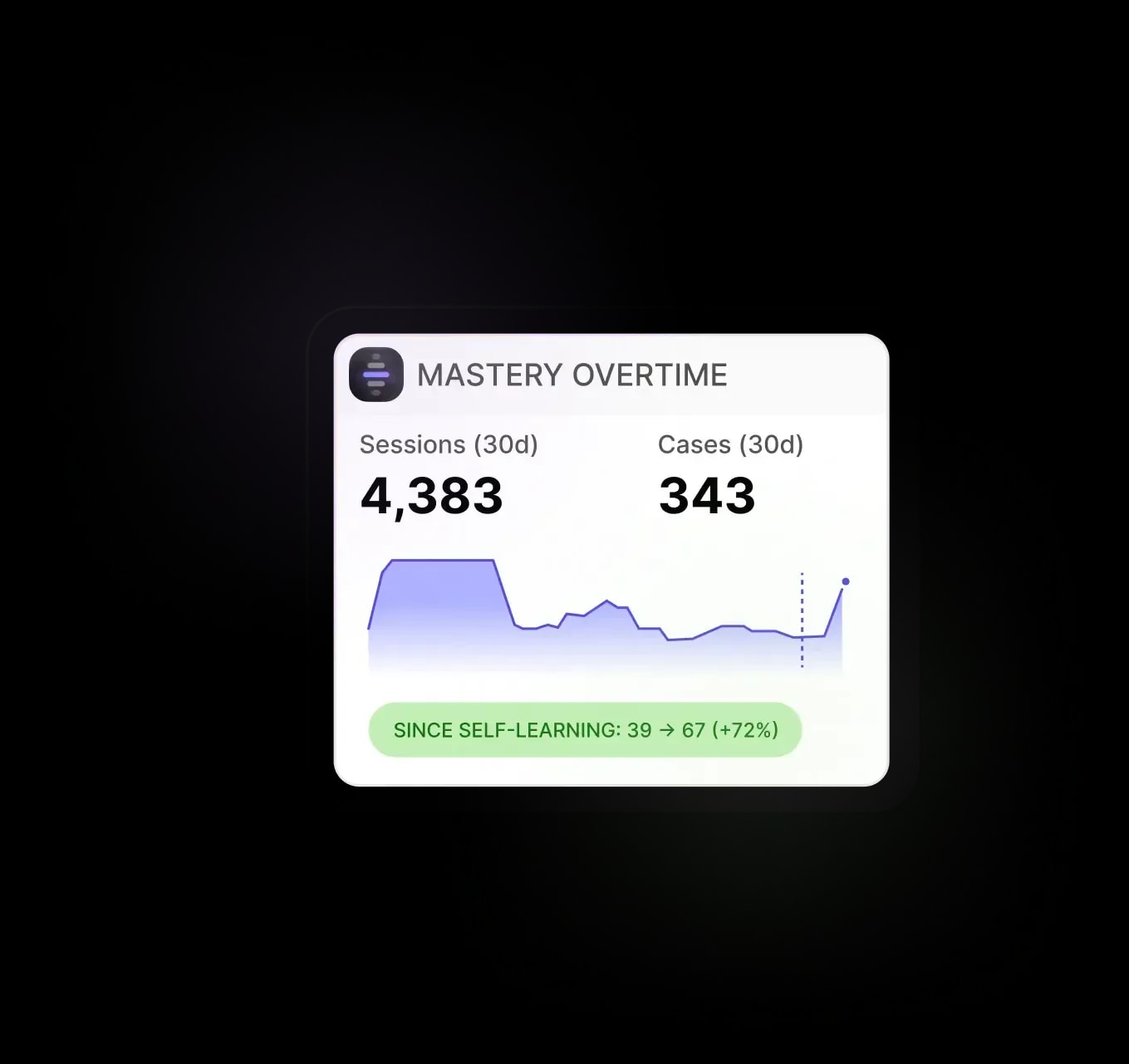
Gets sharper with every run
Most automation stays static—Akai doesn't. Its always-on oversight layer continuously monitors every workflow and surfaces anything drifting or degrading.
With every run, agents reduce their own execution costs automatically—without changing prompts or switching models. The longer it runs, the smarter and more efficient your operation becomes.
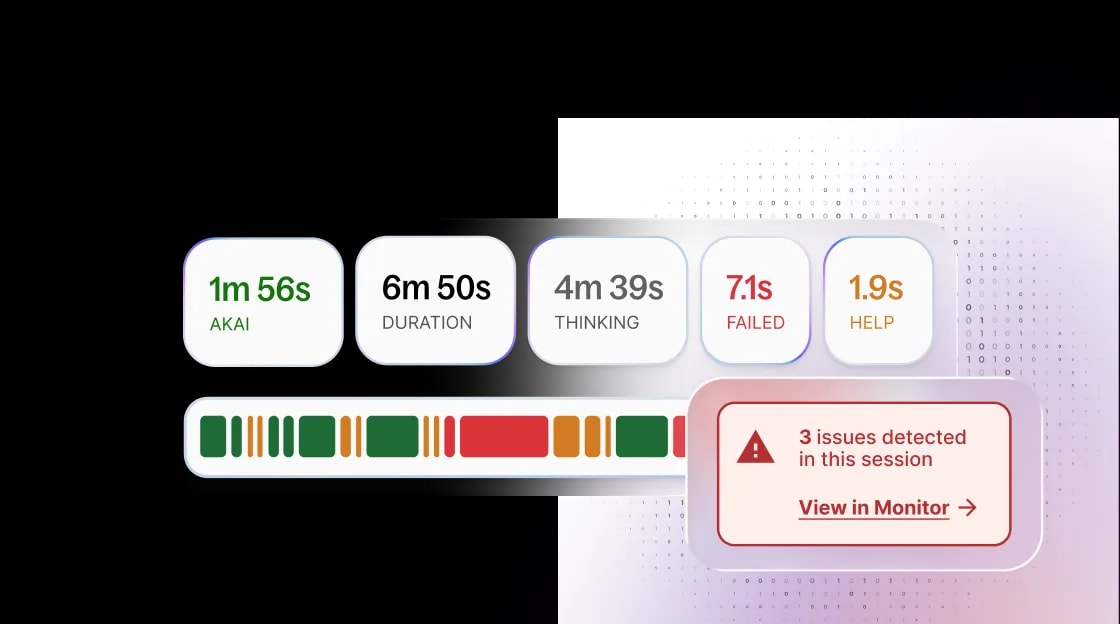
Total visibility and enterprise compliance
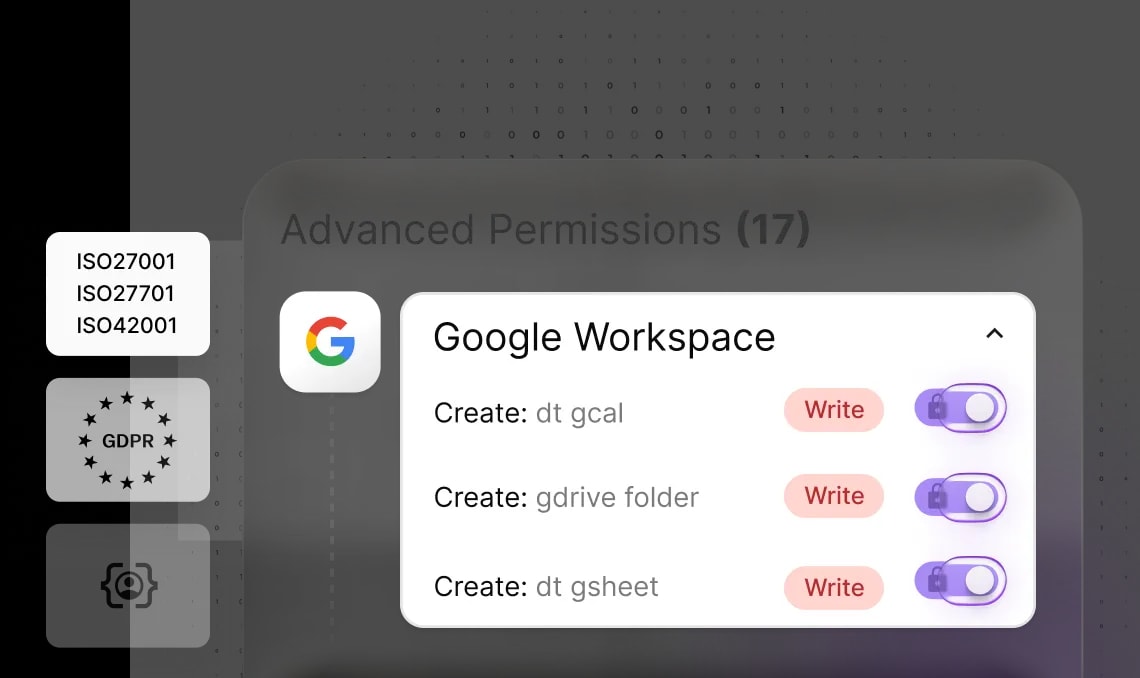
See exactly where agents think, execute, and handle exceptions, plus granular permissions down to individual tool calls. Get full audit trails, encrypted credentials, and human-in-the-loop approval gates. Workflow risk classification and alerting.
GDPR compliant. Certified under ISO 42001 (AI management systems), ISO 27001 (information security), and ISO 27701 (privacy information management).
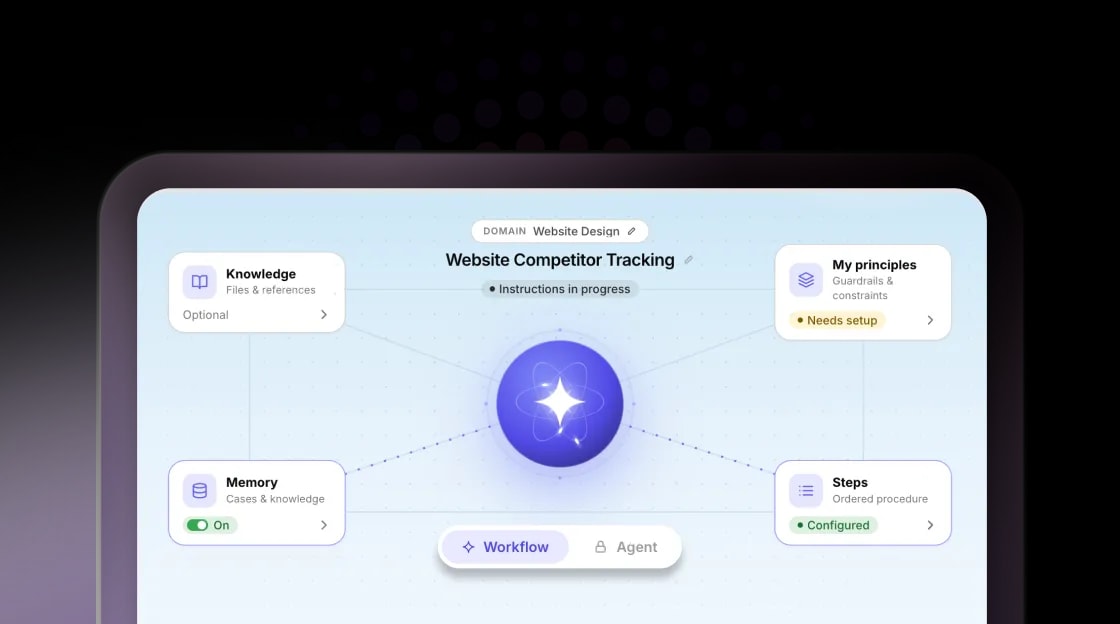
Agents that work together, not in isolation
Akai builds a brain inside your organization—an interconnected system of agents, each sharing a common context layer. Every agent knows what others are doing, what's been handled, and what's next. No overlap, no gaps. The more agents you deploy, the smarter the entire system gets.
The more it runs, the less it costs
Every time an agent executes, it looks for a faster, cheaper path—scripts are cached and network traffic is captured so subsequent runs cost less. Tasks are also matched to an optimal model: routine steps use lighter, cheaper models, complex decisions get full intelligence. The result? Agents that get more efficient over time.

Don't spend hours on work that should run automatically.
Explore how Akai is making an impact.
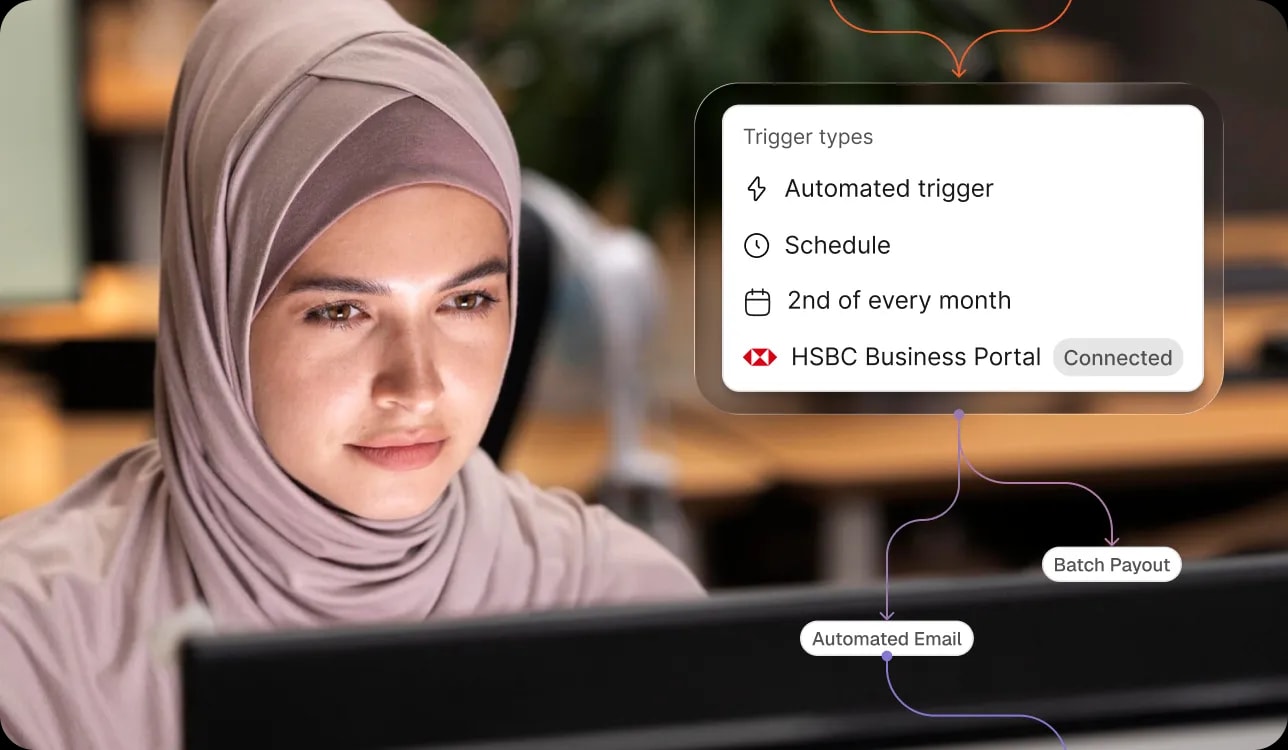
Fintech and payment operations
From payout batch processing to payment reconciliation and FX reporting, Akai assists with the workflows your FinOps team runs manually across every banking portal, every day.
Featured Agents:
- Payment Reconciliation
- Payout Batch Processing
- FinCrime & KYC Agent
- Crypto Wallet Screening Agent

Logistics & supply chain
From carrier portal updates to customs documentation and shipment tracking—Akai connects the systems your logistics ops team navigates manually across every market.
Featured Agents:
- Carrier Portal
- Customs Documentation
- Shipment Tracking Aggregator
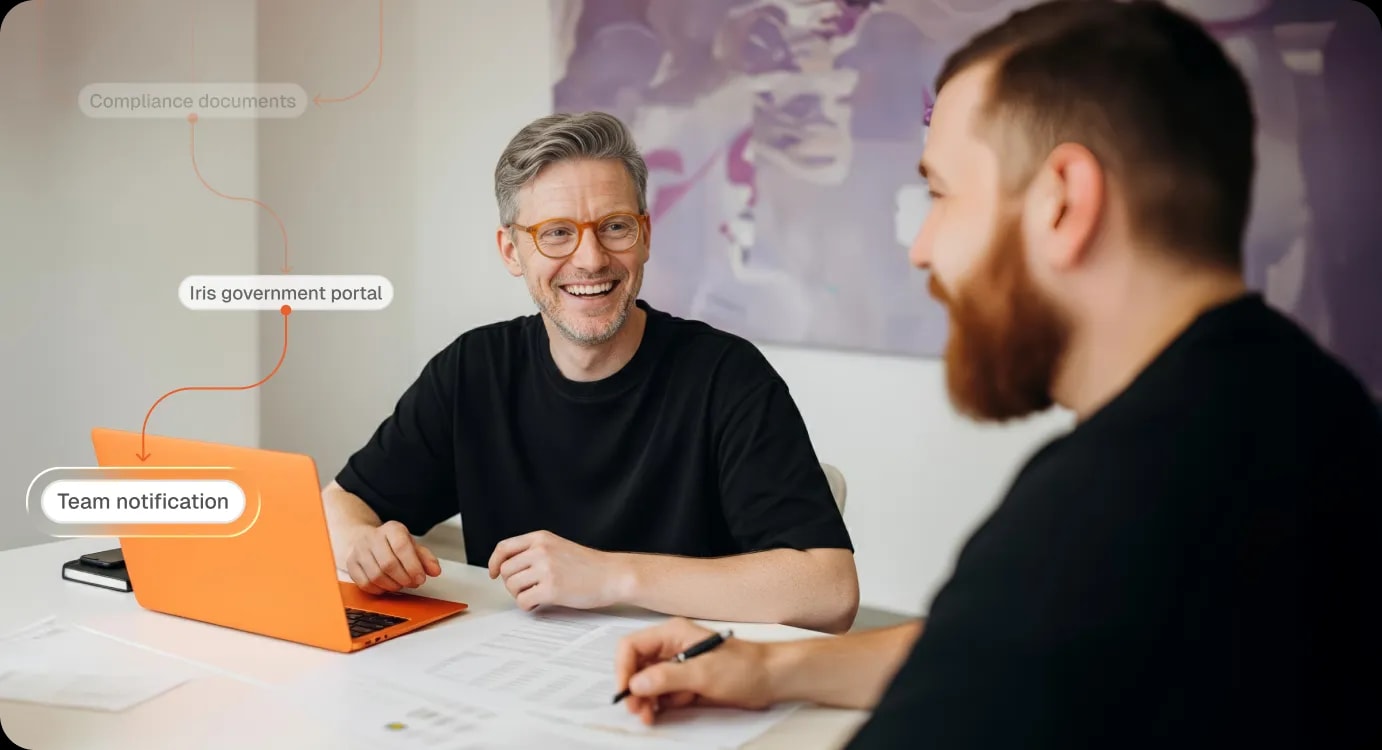
Tax & regulatory compliance
From government portal filings to compliance document gathering across jurisdictions—Akai runs every submission on time, every cycle, with human intervention only where necessary.
Featured Agents:
- Regulatory Report Upload
- Government Portal Filing
- Compliance Document Gathering

Get early access
Join the teams already leveraging Akai. Includes hands-on support and dedicated onboarding.
Frequently Asked Questions
Find everything you need to know about Akai.
Akai is the agent platform built for operations. It builds a brain inside your organization—an interconnected system of agents that learns your workflows, automates every step, and gets smarter with every run. Each agent owns a specific workflow end-to-end and knows when to escalate to a human; agents don't work in isolation, they share context and get smarter as a network. No developers. No integration projects. Your team stays in control at every step.
When you record a workflow, Akai captures the network traffic underneath your clicks—every API call happening in the background, not just what's on screen. From that traffic, it finds the best path into each system: a public API where one exists, a custom connector built from the network calls it captured where there's an unofficial API, and your exact browser actions only where no API exists at all. No connector marketplace dependency. No integration backlog.
You're in control at every level. You define the workflow—by recording it or describing it in plain language—and review the script Akai generates before anything runs. You set the guardrails, checkpoints, and escalation rules, and can choose deterministic mode for steps that need to run exactly the same way every time, with no variation. When something falls outside those rules—an anomaly, an edge case, an error like a portal being down or an API returning something unexpected—Akai stops, logs the failure with full context, and routes it to your team via Slack or email for review. You can pause, correct, override, or resume at any point. Every run is fully logged and replayable, so nothing is lost and nothing goes unnoticed.
Yes, on both counts. Every agent builds up your team's playbooks as it runs—remembering past cases, picking up domain-specific rules and exceptions, and surfacing patterns your team would otherwise miss, always within the guardrails you've set. And Akai shows you the cost of every run, then brings it down automatically: finding cached shortcuts and faster paths through repeated steps, routing to direct system connections instead of slower browser steps, and using lighter models for simple tasks. You can also set the model and effort level per workflow. No prompt rewrites, no manual tuning—agents get more accurate and less expensive over time, not the other way around.
Claude, ChatGPT, and Gemini answer questions. Akai uses those same models to take action—inside your systems, on a schedule, with a full audit trail. Think of it this way: the LLM is the reasoning engine, Akai is what gives it hands. It's also model-agnostic—not locked to a single provider. You can run Claude, OpenAI, or Gemini depending on your workflow, and Akai switches automatically if one provider has downtime. That flexibility means better cost and speed optimization, and no single point of failure.
Each solves only part of the problem. Zapier needs pre-built APIs—most ops portals don't have them—and still requires you to build the workflow yourself, step by step. Legacy RPA (UiPath and similar) is IT-led, brittle, and breaks when a portal changes. Browser automation tools replay your screen, so they break the same way and can't give you a clean audit trail. Akai captures the network traffic behind your recording and architects the workflow itself—running at the API layer where one exists, browser only as a last resort. No manual setup, no breakage when systems change. Battle-tested across 100% of Deel's own operations before any external customer touched it.
Built on an encrypted vault scoped per user, role-based access control, full audit trail, and real-time alerting. Every execution is fully logged and replayable. Akai holds zero-data-retention agreements with all three model providers—none of them train on or retain your data. Certified under ISO 42001 (AI management systems), ISO 27001 (information security), and ISO 27701 (privacy information management), and compliant with applicable data protection laws. On screen recording specifically: Akai only captures your screen during the recording session you initiate—once the workflow is built, agents run autonomously through system APIs, with no screen recording involved in ongoing execution. For more information, see Deel's Trust Center.
Most teams have their first agent running in just a few hours. No implementation project, no IT dependency. Your dedicated onboarding specialist builds it with you—or for you.
Pricing starts at $75/agent/month depending on your workflow and use case, with volume discounts as you scale. Pricing includes unlimited users on your team and covers agent deployment, orchestration, and monitoring. Your agents improve with every run—getting sharper at handling variations and more efficient in execution—so you get more value over time. We also offer enterprise volume pricing and flexible plans for larger deployments—reach out to our sales team to discuss what works best for your needs.